Browse Field Crops, Forage and Turfgrass Production Stories - Page 58

672 results found for Field Crops, Forage and Turfgrass Production
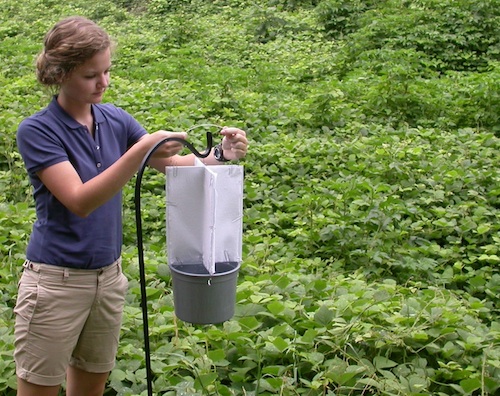
University of Georgia entomology intern Anna Marie Heape places a kudzu bug trap in a kudzu patch on the UGA campus in Griffin, Ga. CAES News
Monitoring kudzu
U.S. Forest Service entomologist Jim Hanula may be the only person in the South who actually wants to keep kudzu alive. He needs healthy plots of the famous weed to monitor the effect the bean plataspid – a pest that entered Georgia some two years ago and has become known as the kudzu bug – is having on kudzu.
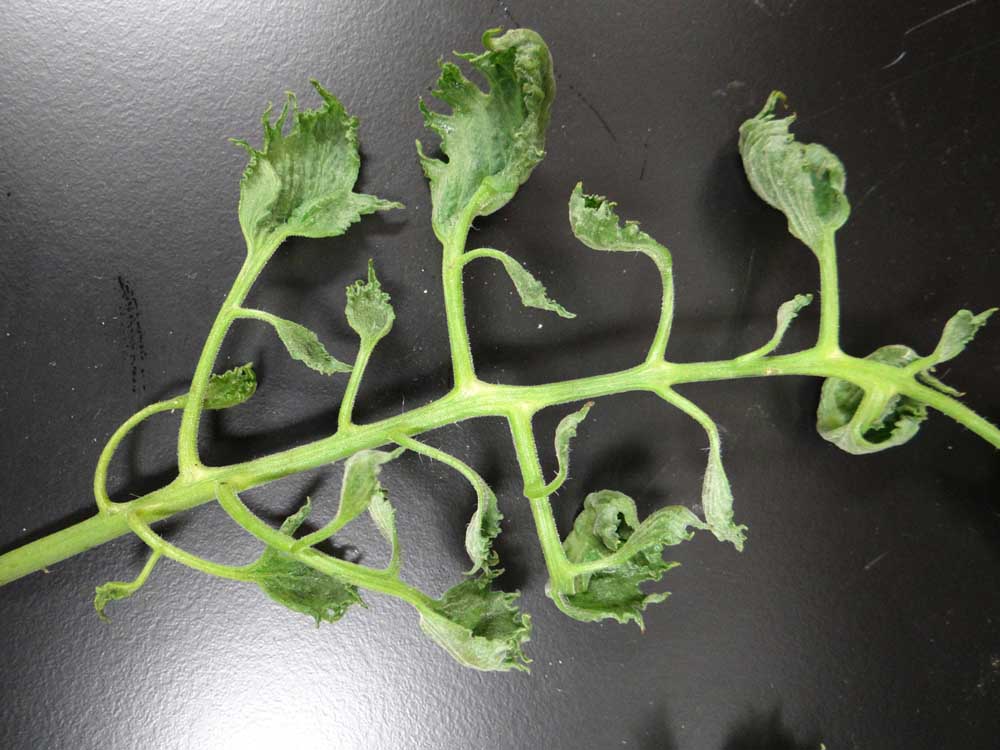
Suspected 2,4-D herbicide damage on tomato. CAES News
Tomatoes susceptible to herbicides for turf and pastures
Home gardeners often inadvertently and unknowingly damage their vegetables with herbicides.
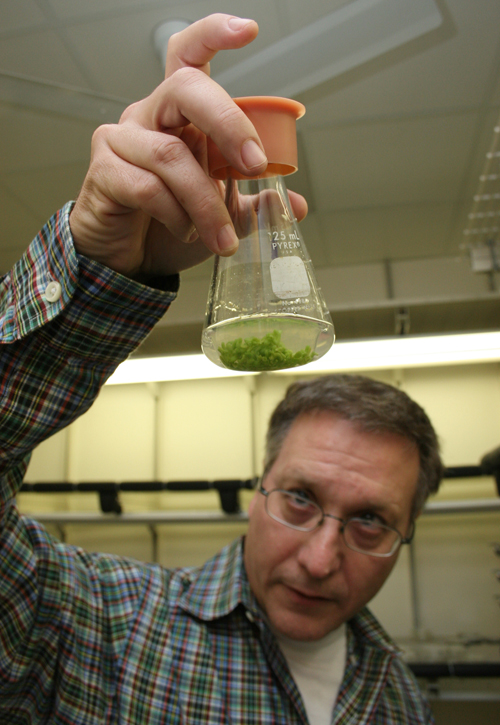
Wayne Parrott, a crop and soil sciences professor at the University of Georgia College of Agricultural and Environmental Sciences, checks out the growth of a few of his soybean plants. CAES News
Soybean uses
Soybeans are the world's largest single source of vegetable protein and edible oil, already used to make livestock feed, soymilk, tofu, adhesives, alternative fuels, disinfectants, plastics and particleboard. Using a $1 million grant from the National Science Foundation, University of Georgia researcher Wayne Parrott hopes to uncover more uses for the popular legume.
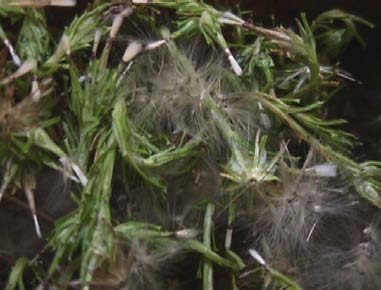
Facelis (Facelis retusa) or annual trampweed CAES News
Facelis takes over
Numerous lawns in Georgia are turning white. From a distance, it may look like snow in May or cotton left over from last fall. The "cottony" appearance is actually caused by a weed named facelis.
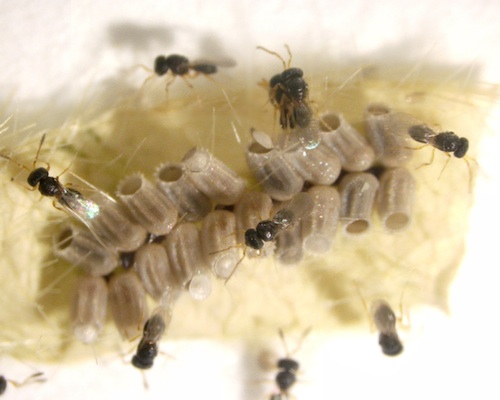
Paratelenomus saccharalis - parasitic wasp CAES News
Kudzu bug control
University of Georgia researcher John Ruberson is looking for natural enemies of the kudzu bug in an effort to fight the pest’s spread across the Southern states. A tiny Asian wasp may be the best option.
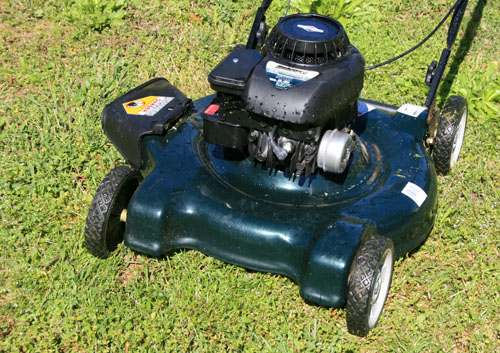
A push lawn mower CAES News
Drought-ready turf
Summer is just around the corner and rainfall deficits for Georgia are expected to continue, so learning how to save water in your landscape is essential. Following these tips from University of Georgia Cooperative Extension will help keep your lawn healthy while saving water and protecting the environment.
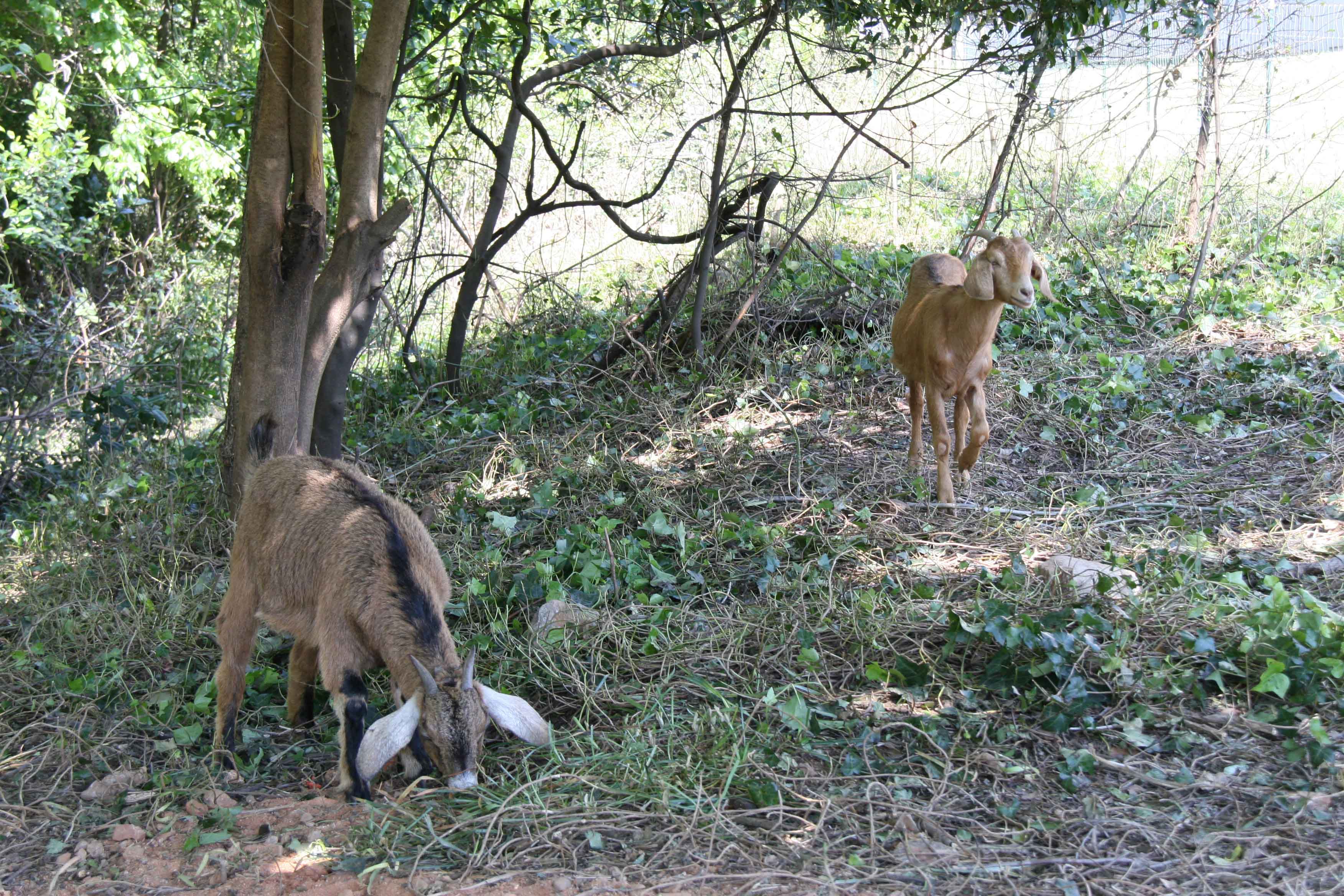
Photos of goats cleaning up the banks of Tanyard Creek near Baxter Street in Athens. Students from the UGA College of Environment and Design installed the goats as part of service-learning project. CAES News
Targeted grazing
Goats and sheep have a reputation for eating vegetation that most other grazing animals would not touch. This trait makes them invaluable to people who need to raise livestock in tough climates, but it’s also made them popular for landowners who need to clear brush or invasive plants from overgrown parcels.
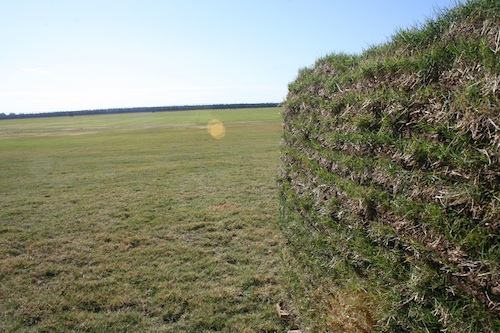
A sod pallet sets on a sod farm in Ft. Valley, Ga. CAES News
Turfgrass Conference

Attention all turfgrass enthusiasts! Mark your calendars for Tuesday, April 24, 2012 and make plans to attend the 66th Annual Southeastern Turfgrass Conference held at the University of Georgia Tifton Campus Conference Center.

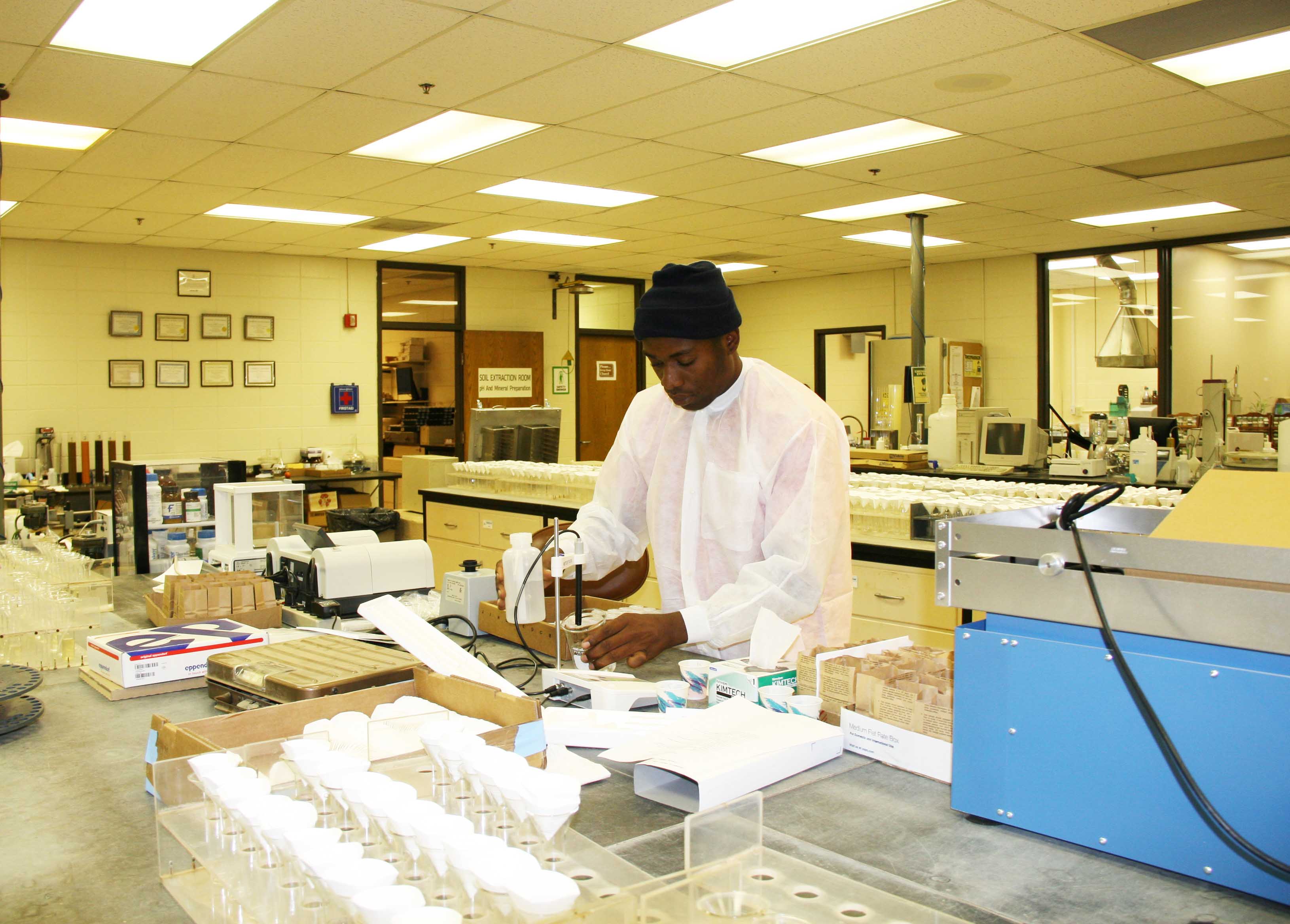
Eddy-Jean Etienne working in the Agricultural & Environmental Services Lab in Athens. CAES News
High-tech help for Haiti's farmers
Haitian farmers have toiled for more than a century to grow crops in the nation’s notoriously ravaged farmlands. A new soil-testing lab, scheduled to open in June, should help farmers in Haiti improve their yields.
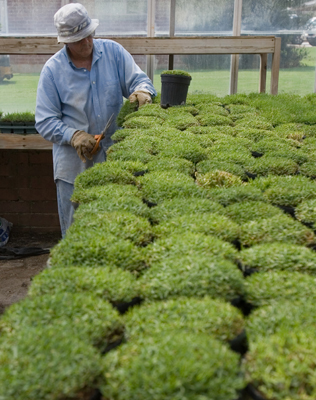
University of Georgia research technician Rodney Connell prunes turfgrass samples in a greenhouse on the campus in Griffin, Ga. CAES News
Spring lawns
In early spring as dormant, warm-season lawns begin to turn green, University of Georgia Extension agents receive many of calls about managing lawns. Most questions are about fertilization, including what type of fertilizer, how much to use and how frequently should it be applied.